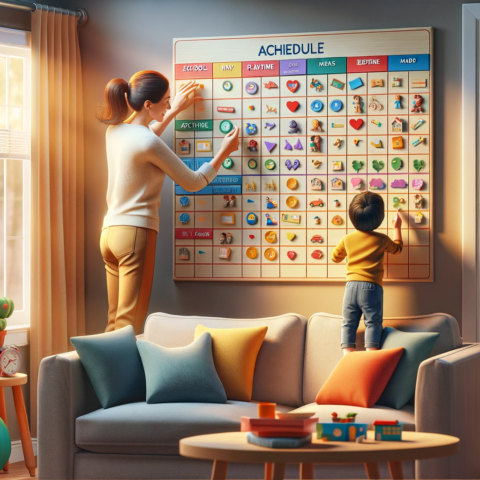
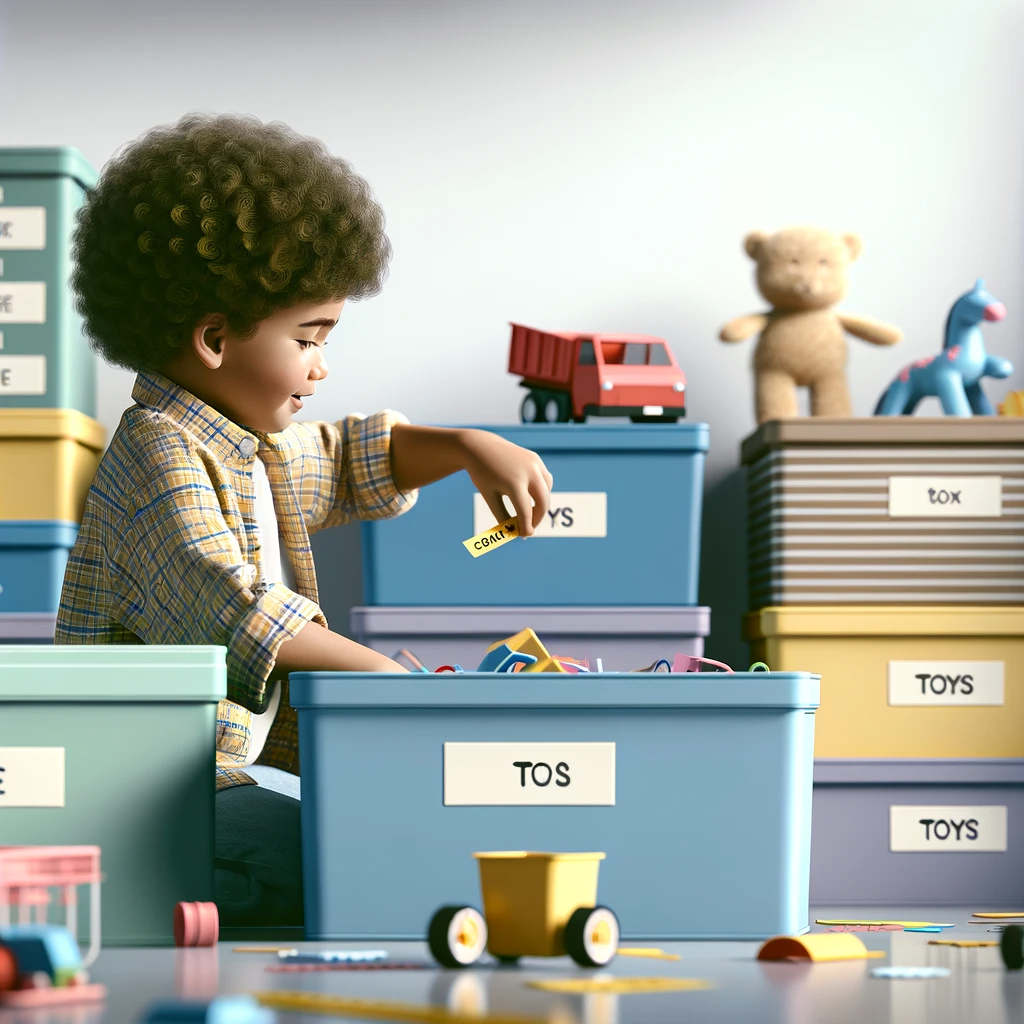
Labeling is a simple yet effective tool in organizing and maintaining order in your child’s room. This method not only helps in locating items easily but also plays a significant role in a child’s development. Over three pages, we will explore the numerous benefits of labeling in a child’s room and provide practical tips on how to implement this strategy effectively.
Understanding the Benefits of Labeling in a Child’s Room
1. Enhancing Organization:
- Easy Identification: Labels help children and parents quickly identify where items belong, making it easier to find and put away things.
- Time-Saving: With everything clearly marked, less time is spent searching for items, making daily routines smoother.
2. Educational Advantages:
- Language Development: For younger children, labels can be a tool for learning new words and associations.
- Reading Skills: Incorporating both words and pictures in labels can aid in early literacy skills.
3. Fostering Independence and Responsibility:
- Self-reliance: Labels empower children to take charge of their own space, fostering a sense of independence.
- Accountability: When children know where things belong, they are more likely to take responsibility for their own mess.
Practical Labeling Strategies and Creative Ideas
1. Types of Labels:
- Picture Labels: Ideal for younger children who are not yet reading. Pictures can depict the item or the action associated with it.
- Word Labels: For children who are reading, simple word labels can be effective.
2. Incorporating Labels into Decor:
- Themed Labels: Match labels to the room’s decor or your child’s interests, like space-themed labels for a space-themed room.
- DIY Labels: Engage with your child in making handmade labels, adding a fun and personal touch.
3. Label Placement and Accessibility:
- Reachable Height: Place labels at a height where they are easily visible and reachable by the child.
- Consistent Placement: Keep labels in consistent spots, like the front of bins or the edge of shelves, for easy recognition.
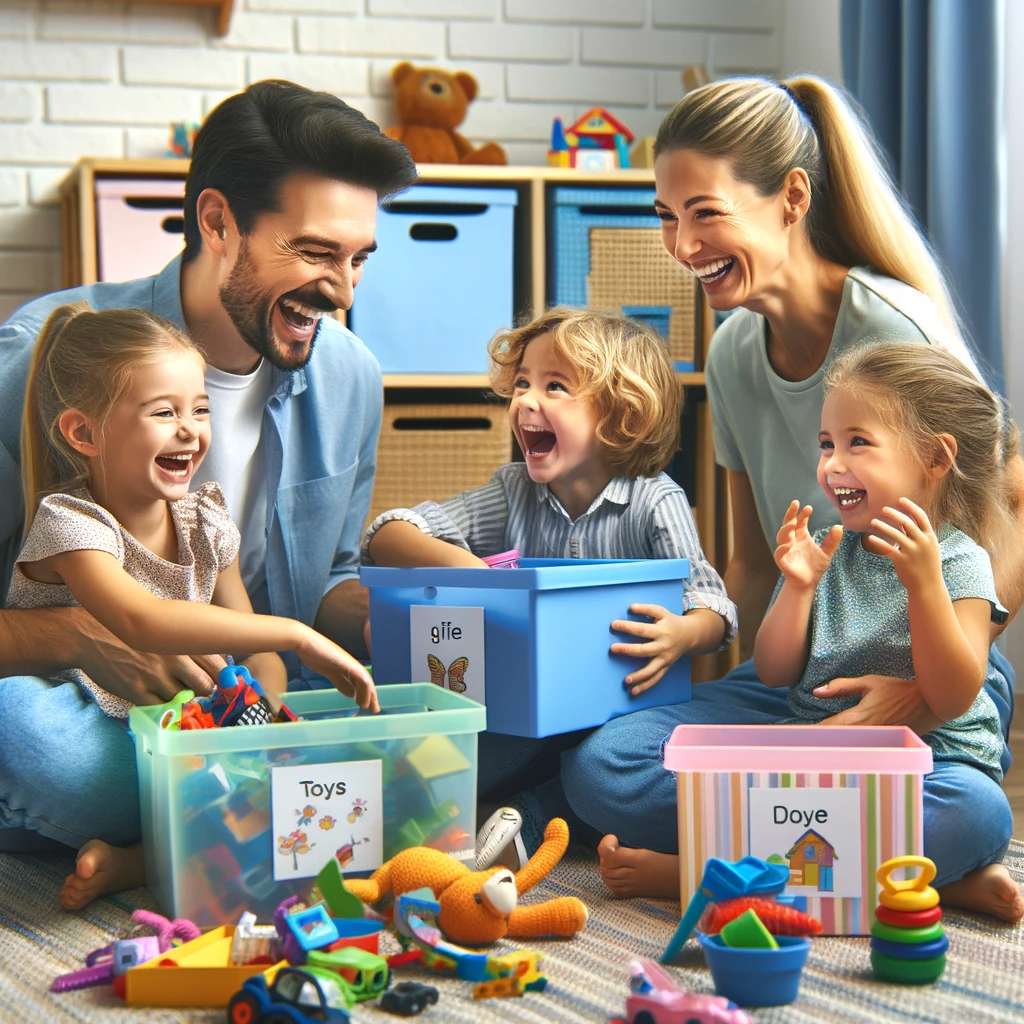
Maintaining Organization with Labels and Involving Your Child
1. The Role of Labels in Daily Routines:
- Clean-up Routines: Use labels to guide your child during clean-up times, reinforcing where each item belongs.
- Morning and Evening Routines: Labels can help streamline morning and evening routines, like labeling clothing drawers for easy outfit selection.
2. Updating Labels as Your Child Grows:
- Evolving Needs: Update labels as your child’s needs and abilities change, like transitioning from picture to word labels.
- Reorganizing Spaces: As children grow, their room’s organization needs may change. Update labels to reflect new storage systems or categories.
3. Encouraging Your Child’s Participation:
- **Involvement in
Labeling:** Involve your child in the process of making and placing labels. This can be a fun activity that also teaches them about organization.
- Decision-Making: Allow your child to have a say in how things are categorized and labeled. This ownership can motivate them to keep their space organized.
Conclusion: Labeling is a powerful tool in creating an organized and functional environment in your child’s room. It not only aids in keeping the space tidy but also contributes significantly to your child’s development, including language, literacy, and personal responsibility. Implementing a labeling system is a proactive step towards instilling organizational skills in children from a young age, setting them up for success in various aspects of life.
Additional Tips:
- Regular Updates: Periodically review and update labels to ensure they remain relevant and understood by your child.
- Incorporating Technology: For older children, consider digital labels or organizing apps to keep up with their evolving needs and interests.